Insuring a Car That Mostly Sits
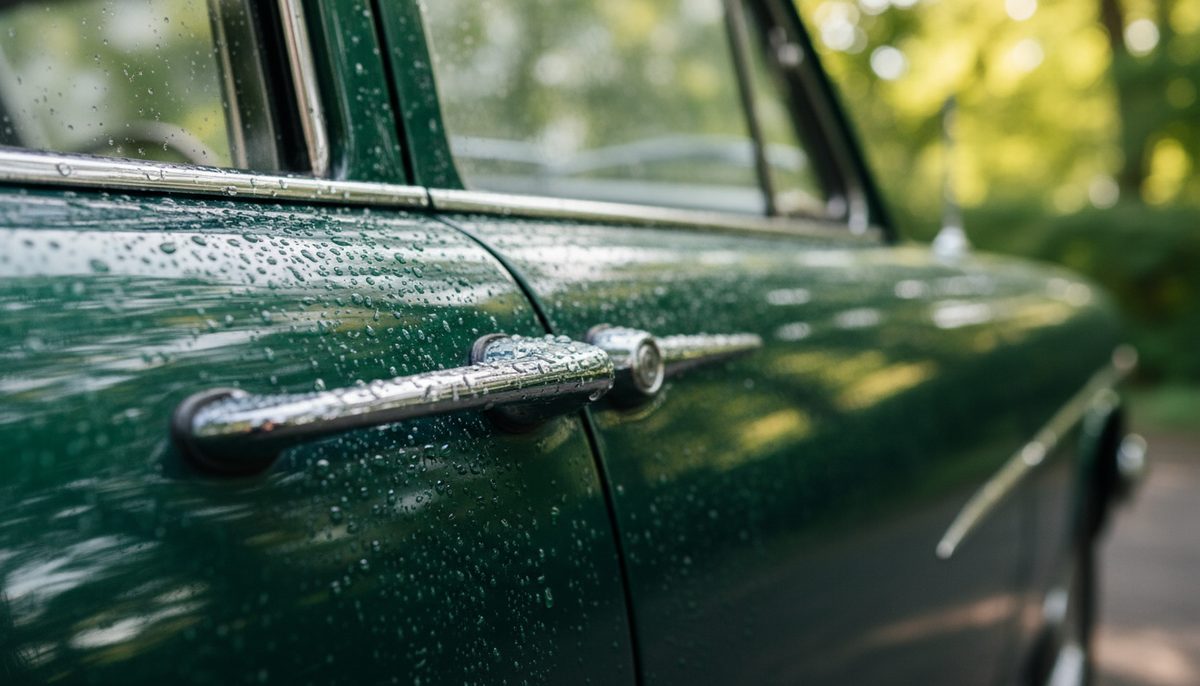
A second vehicle used a few times a month. A truck for hauling. A car kept for a family member who visits. These sit in the driveway most of the time, and the instinct is to insure them as cheaply as possible or, occasionally, not at all.
The second instinct is the dangerous one, and the first one deserves more thought than it usually gets.
What low usage does and does not change
What it changes: annual mileage is one of the factors carriers weigh most heavily under Insurance Code section 1861.02, so a genuinely low-mileage vehicle is generally rated more favorably. Tell your carrier the real figure — a vehicle honestly reported as driven very little should be priced accordingly.
What it does not change: the exposure on the days it drives. Liability limits are tested per accident, not per year. A car driven twenty times a year that causes an accident on the twelfth outing creates exactly the same claim as one driven daily.
So low usage is a good reason to expect a lower premium. It is not a reason to carry lower limits, because the limits are measured against the accident, not against the calendar.
The option that is not insurance
If a vehicle genuinely will not be driven at all for a period, California offers Planned Non-Operation status through the DMV for registration purposes. It is a registration matter rather than an insurance one, and the details and eligibility are set by the DMV — check with them directly rather than relying on a summary.
Two cautions worth stating plainly:
- A vehicle in that status is not to be driven. If it moves, that is a problem on its own terms.
- Do not simply cancel the insurance on a registered vehicle you still intend to drive occasionally. That creates a lapse, which affects your pricing for years, and it leaves you uninsured on exactly the days you are on the road.
What coverage the sitting car still needs
- Liability for the days it drives. Non-negotiable if it moves at all.
- Comprehensive is worth considering even for a stationary vehicle, since theft, weather, fire and vandalism happen in driveways. It is normally the less expensive half of physical damage coverage.
- Collision only if you would replace the vehicle if it were destroyed.
The household angle
A rarely used vehicle in a multi-car household is usually cheaper to keep on the same policy than on its own, because of multi-vehicle credits. It also keeps the driver assignment coherent, which matters — carriers assign drivers to vehicles, and a spare car sitting on a separate policy can complicate who is covered driving what.
Ask your carrier how a low-use vehicle is assigned in your household. It varies, and it can move the premium more than the mileage figure does.
The practical answer
Report the real mileage, keep liability at limits that match your exposure rather than the car's usage, consider comprehensive, and keep it on the household policy. And if it truly is not going to be driven for a long stretch, look at the DMV's non-operation option properly rather than improvising with a cancellation.
Tell us how the vehicle is actually used and we will price it accurately rather than assuming it is a daily driver.
Get this quoted for your situation
Free quotes from multiple carriers, prepared by a licensed California agent. Two minutes, no obligation.
Get My Free QuoteMore of what callers ask
Can I cancel insurance on a car I am not driving?
Not if it is registered and you intend to drive it occasionally — that creates a lapse and leaves you uninsured on the days it moves. If it genuinely will not be driven, look into the DMV's Planned Non-Operation status, which is a registration matter with its own rules.
Does a low-mileage car need lower liability limits?
No. Limits are tested per accident rather than per year, so the exposure on any day it drives is the same as for a daily driver. Low mileage should lower the premium, not the limits.
Is it cheaper to keep a spare car on the family policy?
Usually, because of multi-vehicle credits, and it keeps driver assignment coherent. Ask your carrier how the vehicle would be assigned in your household, since that can affect the price more than the mileage does.